
MTOR Antibody - FFPE Validated


BiCell Scientific
SKU:51410-FFPE-50UL
Couldn't load pickup availability

Biological Background
To connect mechanism with measurement, this antibody lets you analyze MTOR in pathway-driven studies. MTOR is a pathway component whose activation state and localization can change after stimulation. Many projects interpret this target alongside interacting partners, upstream cues, and downstream readouts.
Tracking MTOR can clarify whether changes reflect regulation, redistribution, or altered complex assembly.
Use in the Laboratory
Signaling targets are typically assessed across time courses to capture transient activation windows. Considering complex membership and compartment shifts can clarify whether changes reflect signaling or redistribution. In oncology research models, expression shifts can accompany changes in adhesion, signaling, or differentiation state.
Depending on the model, researchers may ask whether signal shifts reflect altered abundance, compartment changes, or remodeling of associated complexes.
To keep datasets interpretable, labs often document:
- localization shifts between cytoplasm, membrane, and nucleus
- time-resolved changes following stimulation or inhibition
- interaction patterns within multi-protein complexes
Version Notes
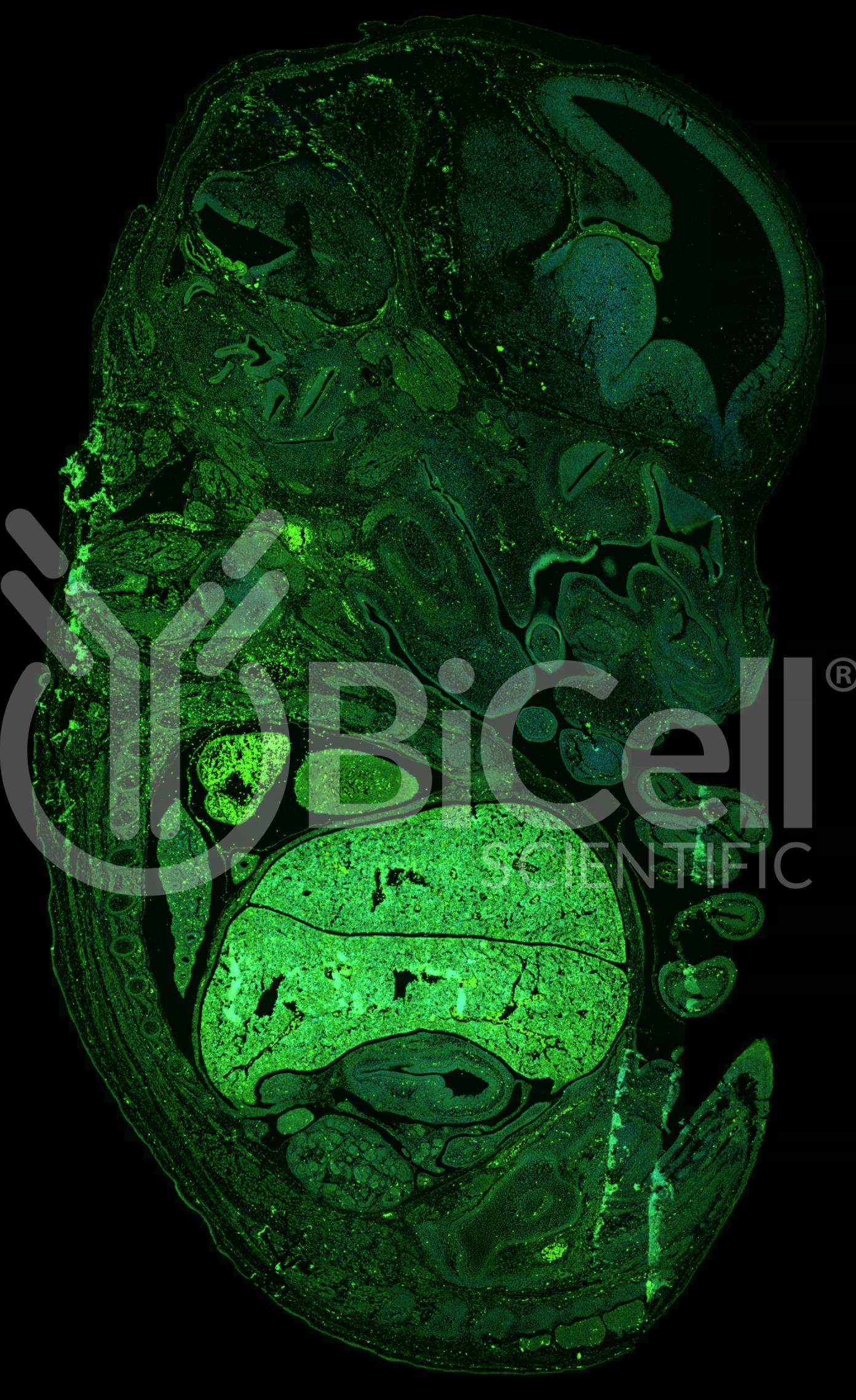
In sectioned tissue workflows, interpretation often depends on morphology; this format supports that style of readout. If your study compares multiple conditions, keep acquisition and processing settings stable to avoid confounding.
If your study spans multiple model systems, it can help to define a shared reference condition for MTOR so cross-sample contrasts stay meaningful.
When interpreting MTOR, consider whether changes track with compartment identity, cell density, or perturbation timing; these factors can influence apparent signal without implying a direct causal link.
Use the fixed-section version to relate MTOR behavior to upstream cues and downstream consequences.
- Targets:
- MTOR
- Research Area:
- Cancer • Cell Signaling • Metabolism
- Application:
- IHC-P
- Reactivity:
- Human • Mouse • Rat
- Host:
- Rat
- Clonality:
- Polyclonal
- Isotype:
- IgG
- Immunogen:
- Synthetic peptide (19-aa) derived from the C-terminal region of human MTOR protein
- Conjugation:
- Unconjugated
- Purification:
- Affinity Chromatography
- Concentration:
- 0.25 mg/ml
- UniProt:
- P42345
- Homology:
- Synthetic peptide sequence is identical to mouse or rat sequence
- Storage Buffer:
- PBS, pH 7.2, 0.1% Sodium Azide
- Storage Temperature:
- -20°C